The story of the museum
The museum was not founded from above — it grew from the bottom up, out of one cottage under repair and the trust of a whole village. Told by Pavel Buchta, village chronicler and curator.
A beginning nobody planned (1993)
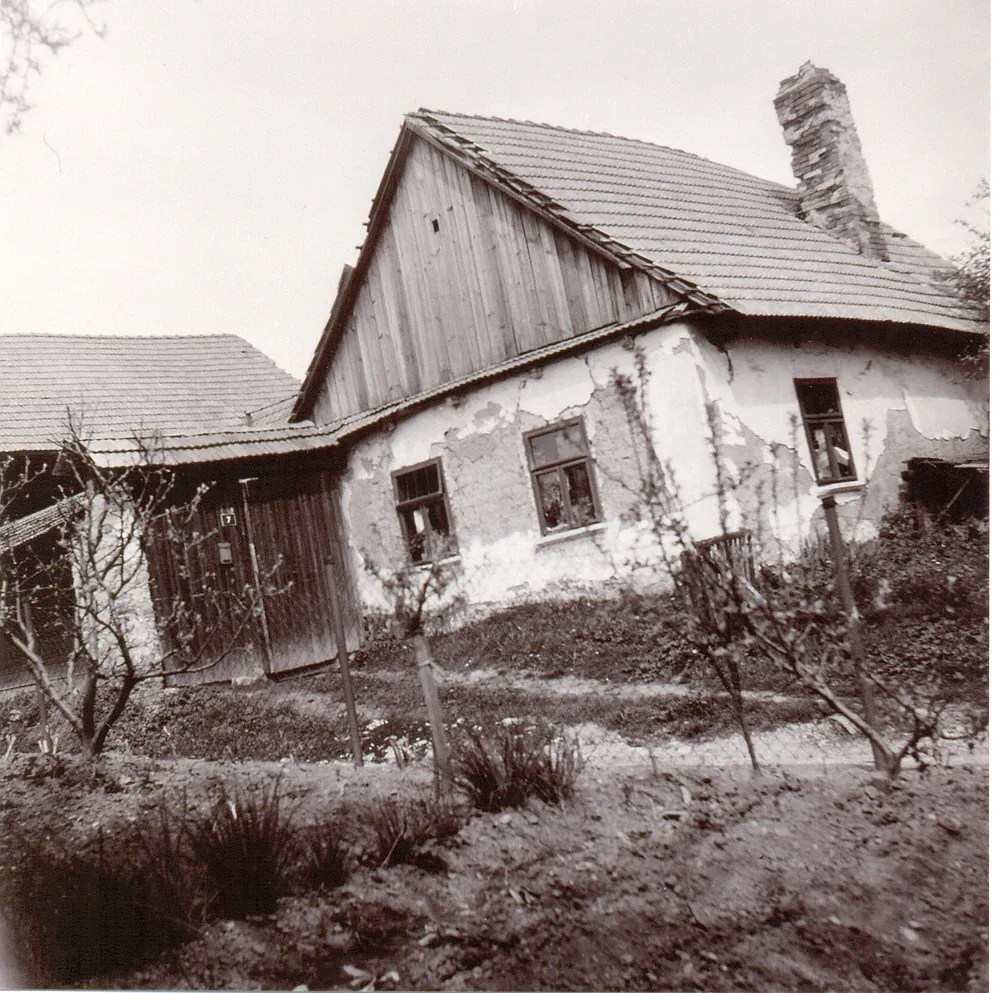
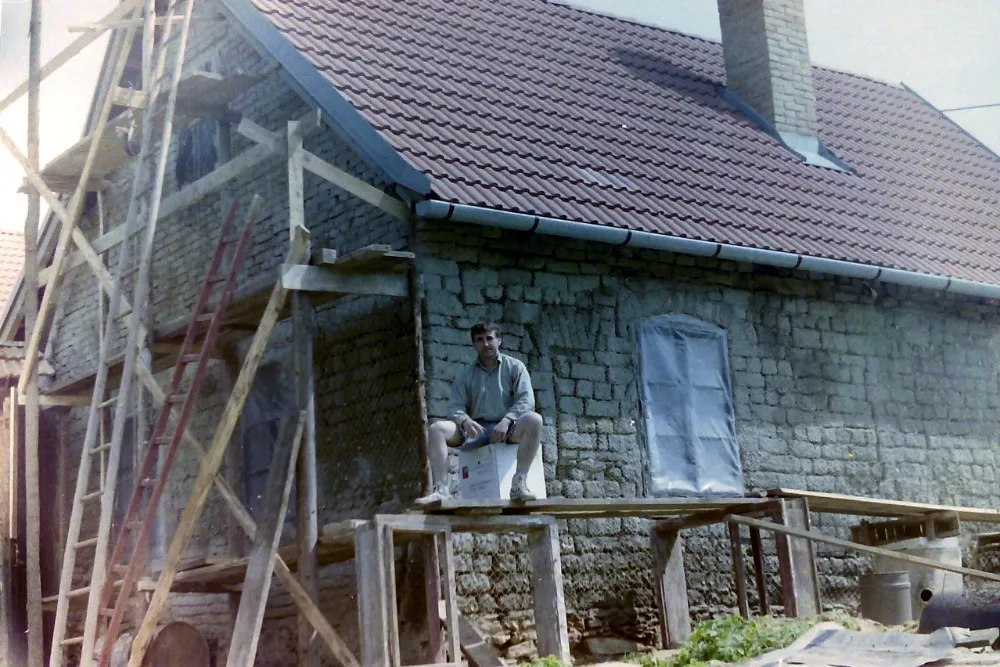
It all started in 1993 with the repair of one of the oldest cottages in Rašov, house no. 7. As the house came back to life, objects piled up that anyone else would have thrown away: old tools, household items, things left by ancestors. "Every piece had its story, so I kept hauling them up the ladder into the attic," the curator recalls. An unplanned collection was born in the attic of a cottage.
From the attic to the school
When the attic was full, a question changed everything. The curator's father — the first village mayor after the fall of communism in 1989 — suggested using the long-empty, decaying school building. The village council's approval turned a private collection into the seed of a village museum. Then people from Rašov and the surrounding villages started coming, bringing things that had been piling up at home, too dear to throw away — exactly as it had once been for him.
The photo archive
Alongside the collection grew a photographic archive: family photographs borrowed from local households, carefully scanned and unified to A4 format. Today it holds hundreds of images — faces, cottages and events that would otherwise have vanished in drawers.
A new chapter: the school attic
The school building is now under reconstruction, and the museum is moving into its spacious attic by agreement with the village council. A new exhibition is taking shape there, organised into thematic sections — crafts, farming, household life, school, the photo archive and village clubs. The work is happening right now, and this website is part of it.